
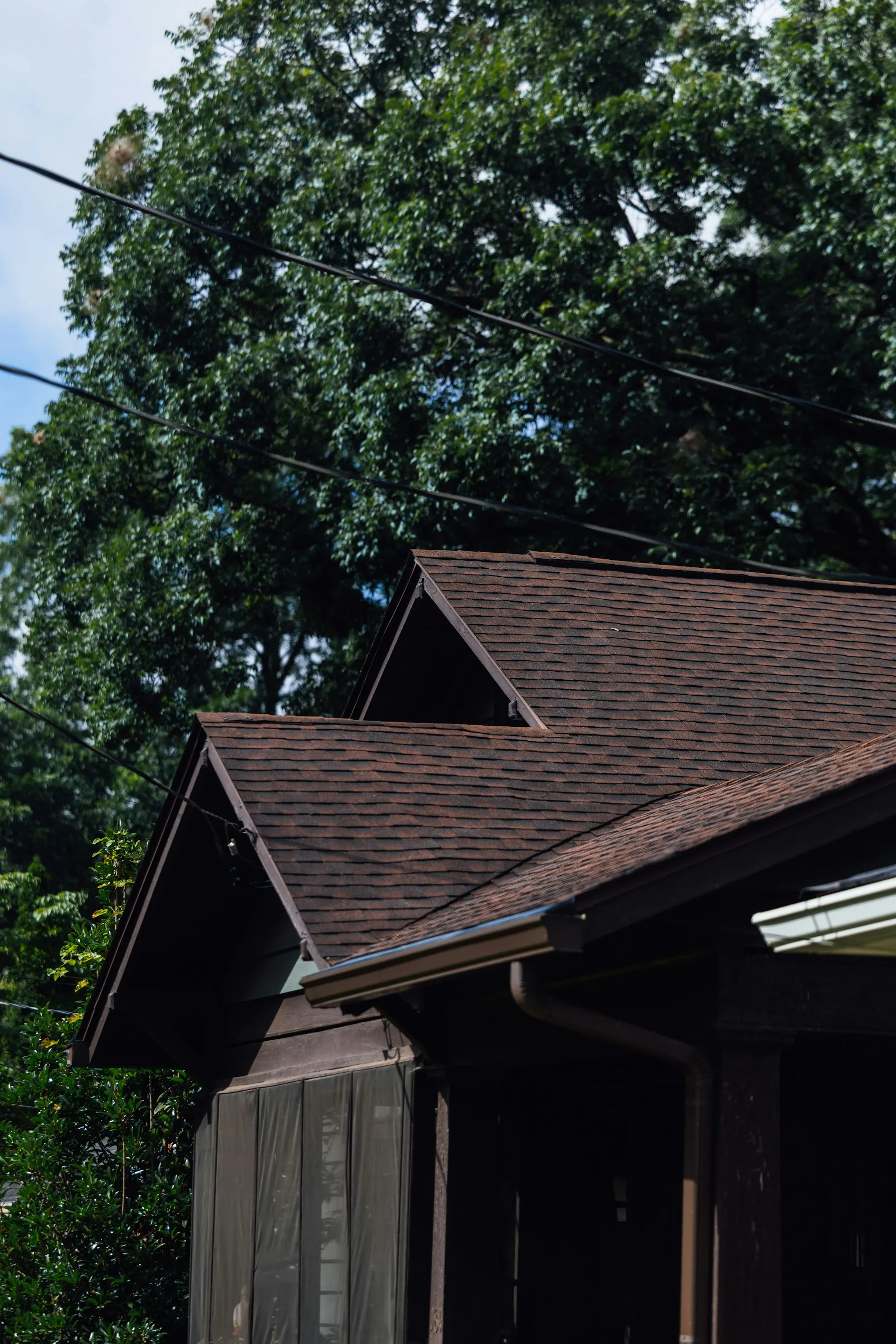
A hailstorm or a hard wind is stressful on any house. When the roof also carries a solar array, the questions multiply: is the system safe, who should look at it, and how does the solar side fit into an insurance claim? Knowing what to do first after hail or wind damage on a roof with solar saves you from the two most common mistakes, which are climbing up too soon and letting the solar work become an afterthought in the roof estimate.
Homer Glen sits in the path of the spring and summer storm systems that cross Will County and the southwest suburbs. Here is the order that keeps the house, the system and the claim in good shape.
Safety comes before anything else
The first step after a storm is to stay off the roof and away from any damaged solar equipment. A rooftop array keeps producing electricity whenever light reaches it, and damage can make that electricity show up where it should not.
Research by Underwriters Laboratories, now published through UL’s Fire Safety Research Institute, in a study on firefighter safety around solar systems, found that severely damaged arrays can produce hazardous conditions, and that damage may create new and unexpected circuit paths through module frames, racking, conduit and building parts like flashing and gutters. The same summary warns that a wet tarp can become energized if it contacts live equipment. Part of that testing was done on a working array built at the lab in Northbrook, Illinois, so the findings come from conditions much like a suburban rooftop.
That is why throwing a tarp over cracked panels yourself is a bad idea. If you can see broken glass, hanging wires, scorch marks or a panel that has shifted on its rack, keep people and pets clear of the area below the roof edge and leave the array to a professional. If anything is smoking or sparking, call the fire department.
If the system has a clearly labeled shutdown switch or disconnect at ground level, and you can reach it safely, the installer’s instructions or labels will tell you how it is meant to be used. Never open an electrical box to investigate.
Document the damage from the ground
The second step is photos, taken safely and before anything is cleaned up or moved. A record made right after the storm is the foundation of any claim.
The Illinois Department of Insurance disaster guidance tells homeowners to take photographs showing how things looked before cleanup and repairs began. Ready Illinois, the state’s disaster preparedness site, carried the same message in a storm-claim release with the Department of Insurance, adding that photos should be taken only if safe access is available.
From the yard and the driveway, photograph:
- Every slope of the roof, including the areas around the array
- Shingles or debris on the ground, especially around downspouts
- Dents in gutters, downspouts, vents, siding and window screens, which help show hail size and direction
- Any visible damage to the panels, racking or wiring
- The date of the storm, noted in your records
Do not climb a ladder to get closer shots. A roofer, an adjuster or a solar crew will document the roof itself.
Hail and wind leave different marks
Hail and wind damage a roof in different ways, and knowing the difference helps you describe what you see. Hail tends to leave bruised or cracked shingles, loose granules collecting in the gutters, and dents in soft metal such as gutters, downspouts and vent caps. Wind tends to lift, crease or tear shingles off entirely, often along ridges, edges and corners, and it can throw branches onto the roof.
On a solar roof, both can matter around the array. Debris can wedge under panels, and wind can work at the edges of the shingles that surround the mounts. You will rarely see that from the ground, which is one more reason the inspection belongs to professionals.
Call your insurer, then a roofer
The third step is to report the damage and get the roof inspected. Contact your insurance company or agent to start the claim, and follow their process for scheduling an adjuster.
A roofer can inspect the shingles for hail bruising, cracked or missing tabs and lifted edges, and can tell you whether the roof looks like a repair or a replacement. That opinion, plus the adjuster’s inspection, is what decides the scope.
The Department of Insurance’s guidance is direct on timing. It says to make necessary temporary repairs to protect the property and keep the bills and receipts, but to get prior agreement from your adjuster before you contract for repairs, and not to sign contracts for major repairs until the insurance company has determined the extent of the damage. On a solar roof, that applies to the detach and reset as much as to the shingles.
Coverage always depends on your policy and the adjuster’s scope. This post cannot tell you what your policy pays for. Your insurer can.
Why the solar array belongs in the roof estimate
If the roof needs to be replaced, the solar panels have to come off first and go back on afterward. That work is a separate line in the job, and it is easy to leave out if nobody raises it early.
The detach and reset covers shutting down and disconnecting the system, removing panels, racking and conduit, labeling and storing everything during the reroof, installing new mounts with fresh flashing at each roof penetration, reinstalling the panels, reconnecting and testing the system. A roofing estimate that does not account for that work leaves a gap.
An itemized detach and reset scope helps the adjuster see what the solar side involves. It also helps your roofer plan, because tear-off cannot start until the panels are down.
Panels themselves can be damaged in a storm, too. Any concerns about panel damage should be documented and raised with your insurer and, for questions about the equipment, with the system’s manufacturer or the company that installed it.
Who to contact for what
| Question | Who to ask |
|---|---|
| Is the system safe, or is something sparking or smoking? | The fire department for active hazards; a solar professional otherwise |
| Is the roof a repair or a replacement? | A roofer, and the insurance adjuster |
| What does my policy cover? | Your insurance company or agent |
| What will the detach and reset involve? | A detach and reset company, in writing and itemized |
| Is the system leased? | Your lease agreement and the leasing company |
| Is a permit needed for the reroof? | Your village building department |
If your system is leased, contact the leasing company before scheduling any removal. Many leases set rules about who may take the equipment off the roof.
Keep the claim in your hands
You are the policyholder, and the claim stays yours. A detach and reset company can provide documentation and coordinate dates with your roofer and adjuster, but decisions about the claim, and conversations about what the policy pays, are between you and your insurer.
Keep a simple folder: storm date, photos, the claim number, the adjuster’s contact, the roofer’s estimate and the itemized solar scope. Note every call with the date and the person you spoke with. When the dates are set, make sure the detach is scheduled before the roofer’s tear-off and the reset after the new roof is on.
The first move after the storm passes
If a storm has just come through Homer Glen, Lockport or Orland Park and your roof carries solar, the order matters more than speed. Stay off the roof and away from damaged equipment, photograph what you can from the ground, report the damage to your insurer and get a roofer’s opinion. Then, before you sign anything for a replacement, make sure the solar detach and reset is in the scope as its own item, with documentation the adjuster can review. Confirm every coverage question with your insurer rather than with a contractor.
For the solar side, our insurance claim detach and reset page explains what the documentation covers, and the detach and reset service page walks through the removal and reinstall. Solar Panel Removal Homer Glen can help you coordinate it, and the homepage has more.